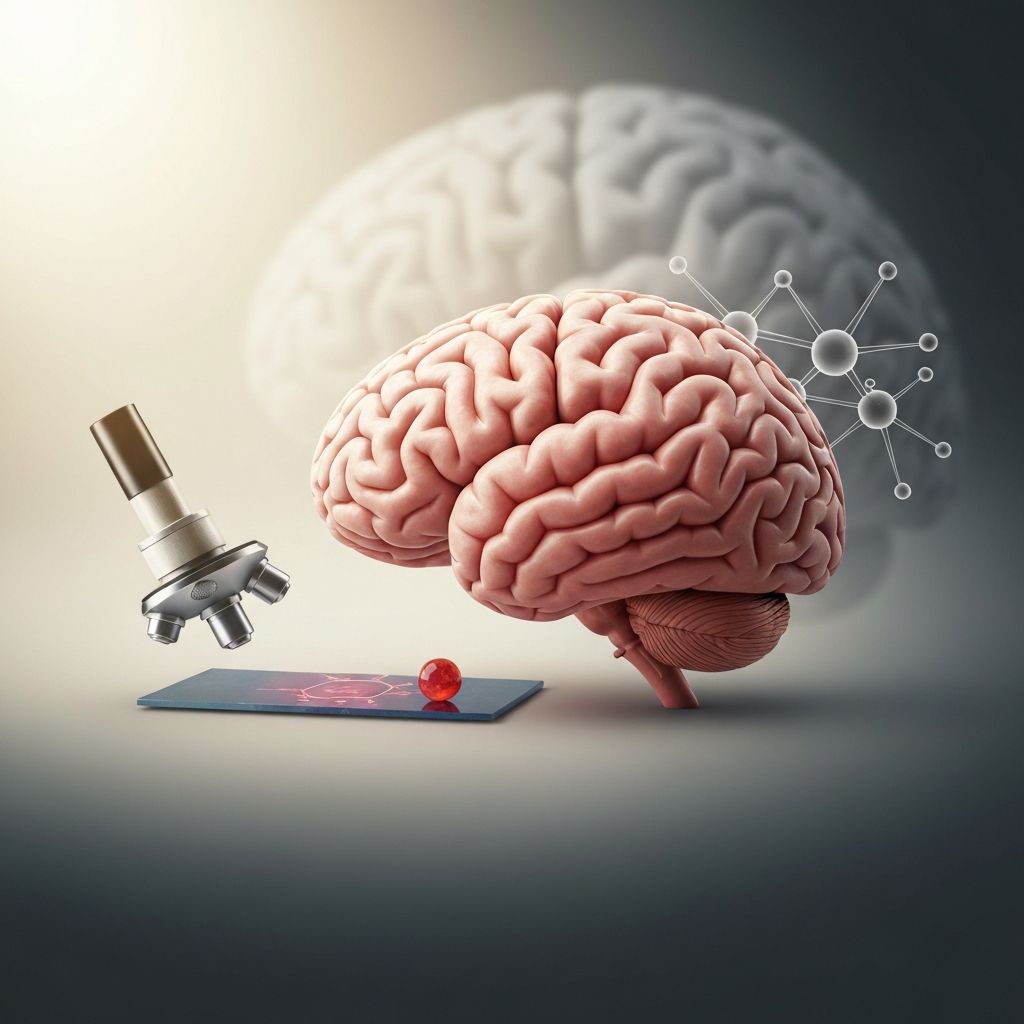
Understanding the Neurobiological Foundations
These articles provide comprehensive examination of the psychological and neurobiological dimensions of emotion-driven food consumption. Each explores distinct aspects of how emotions, brain chemistry, and eating behavior interconnect through evidence-based scientific research.
The scientific understanding of these mechanisms continues to evolve, revealing increasingly sophisticated interactions among multiple biological and psychological systems.
The Dopamine Reward Circuit and Hedonic Eating
Neurobiological pathways through which the brain's reward system drives hedonic food consumption independent of metabolic needs. Explores dopamine's role in anticipation, consumption, and memory of food rewards.
Read Full Article →Stress-Induced Eating: Cortisol and Appetite Pathways
Endocrine mechanisms linking chronic stress to altered appetite regulation and food consumption patterns. Examines HPA axis function and the physiological basis of stress-related eating.
Read Full Article →Emotional vs Physiological Hunger: Research Distinctions
Comparative studies delineating the neurobiological and behavioral differences between emotional and physiological hunger. Reviews empirical research on hunger type differentiation.
Read Full Article →Amygdala-Prefrontal Interactions in Food-Related Emotions
How emotional brain regions and executive control centers interact in determining food-related behavioral outcomes. Explores prefrontal modulation of amygdala responses in eating contexts.
Read Full Article →Ghrelin, Leptin and Emotional States: What Studies Show
Hormonal data revealing how emotional states modulate appetite-regulating hormone secretion and efficacy. Reviews research on emotional influences on hunger and satiety signaling.
Read Full Article →Sociocultural Factors Shaping Emotional Eating Patterns
Anthropological context revealing how culture and social learning shape emotional responses to food. Explores cultural diversity in comfort food traditions and emotional eating patterns.
Read Full Article →Research-Based Exploration
Each article draws on contemporary psychological and neurobiological research to explain specific aspects of emotion-driven food consumption. The material presents evidence-based information designed to enhance understanding of these complex phenomena.
Return to the home page for an overview of all key concepts.